


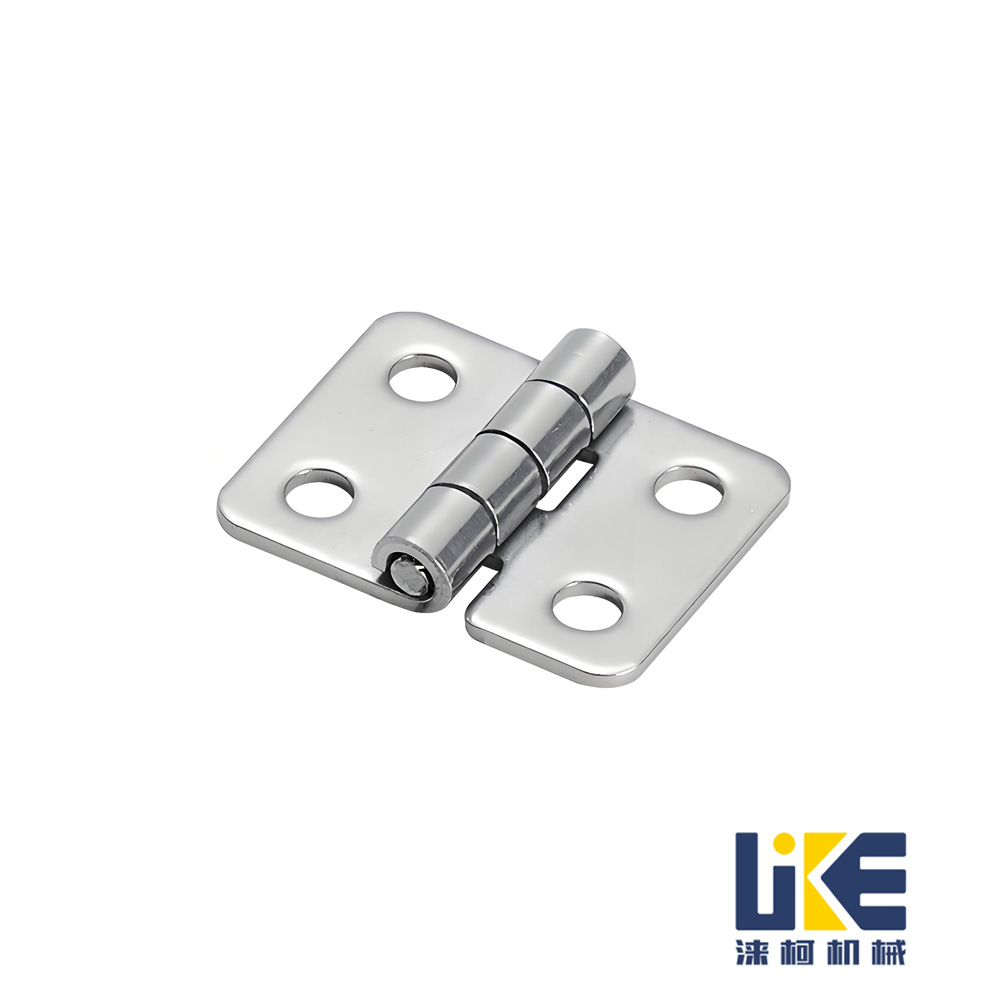
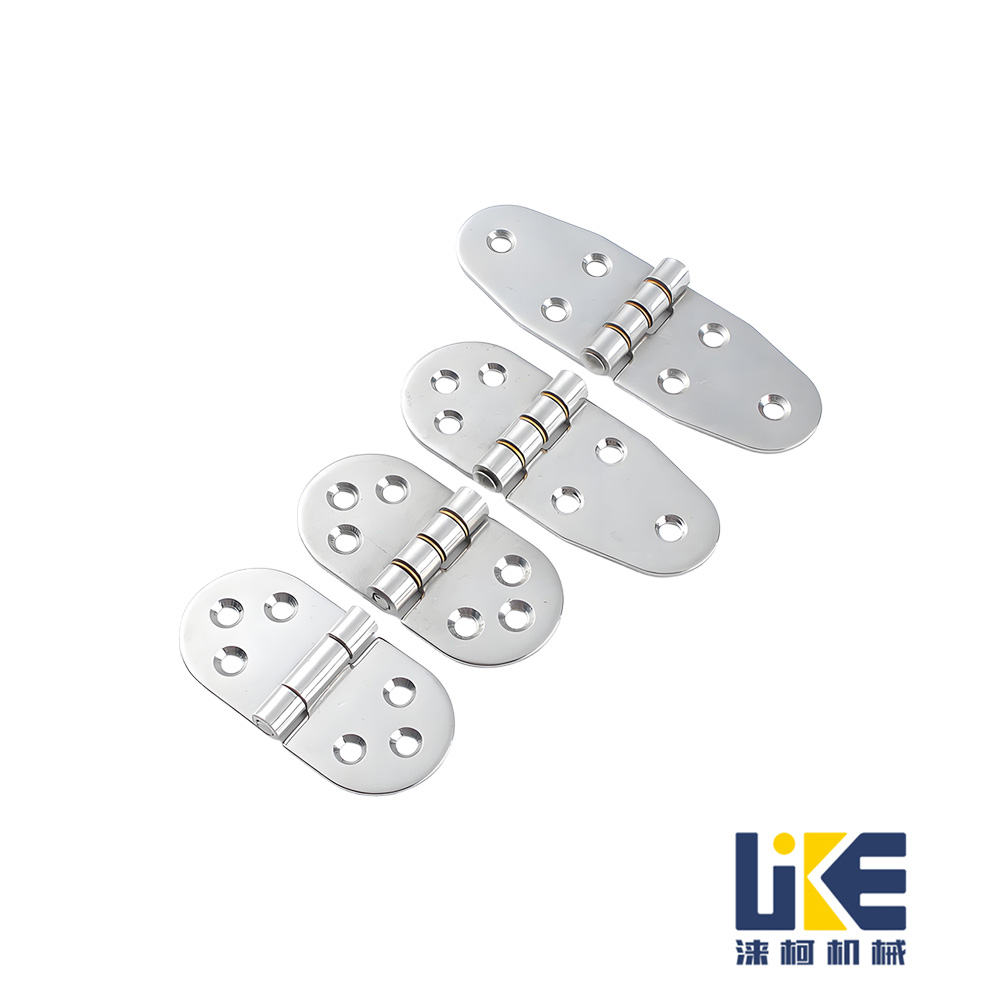
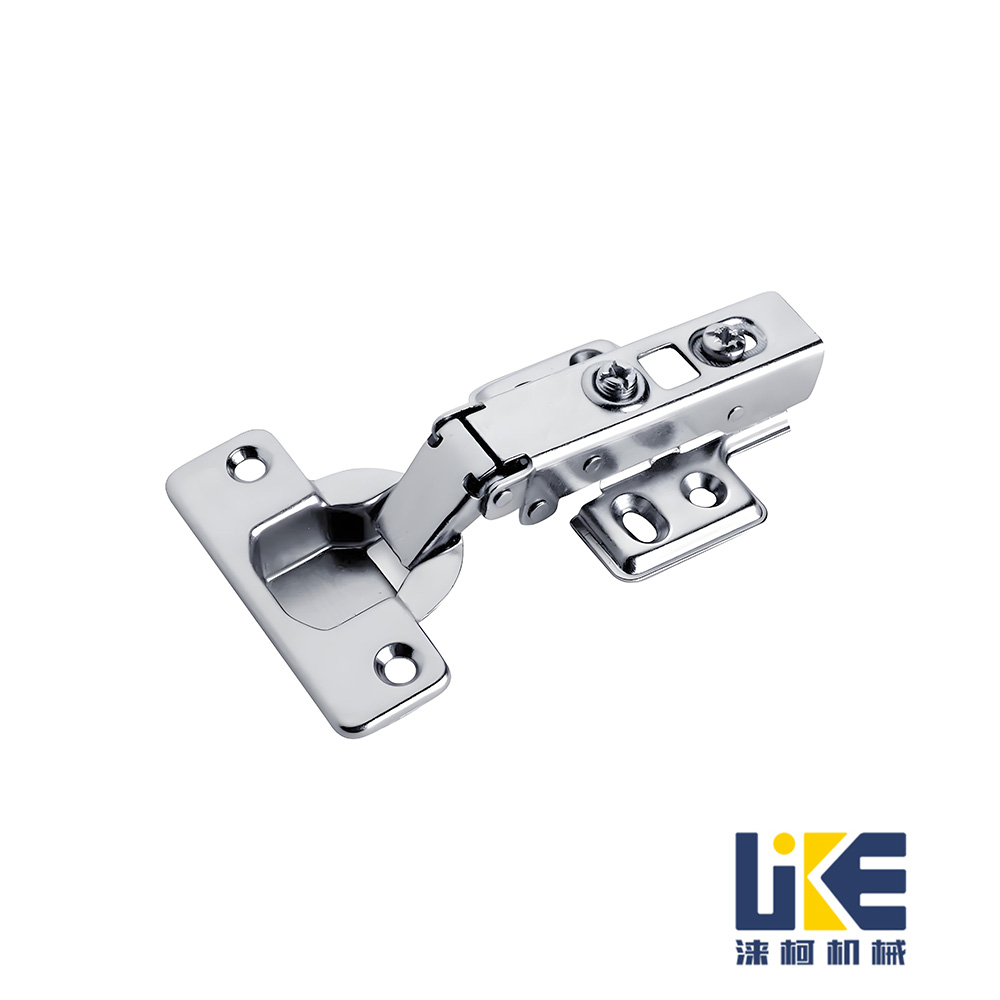

Cabinet hinges
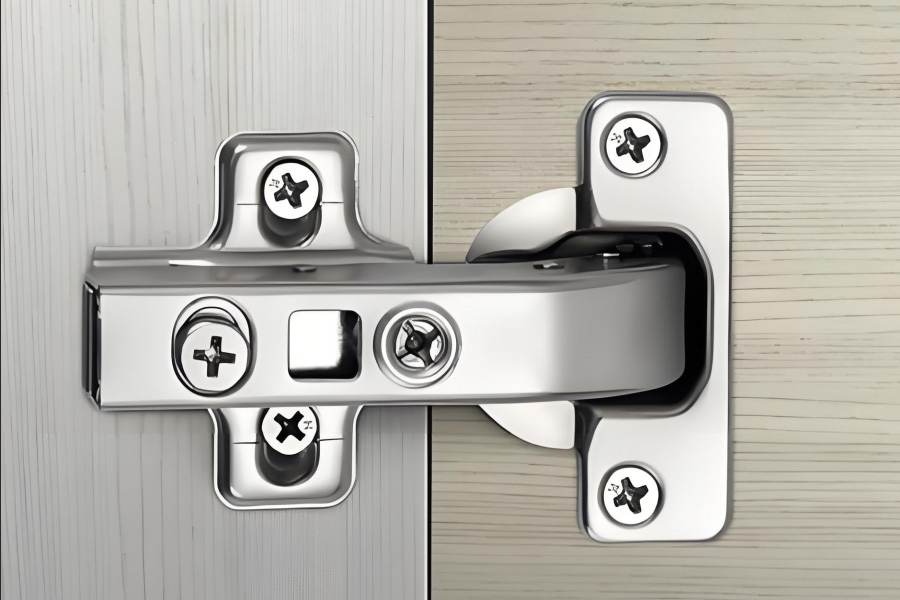
Cabinet door hinges are essential mechanical connectors that attach doors to frames, allowing them to pivot open and closed smoothly, while also providing crucial support, stability, and influencing the cabinet's overall aesthetic and functionality , with modern options offering features like soft-closing and varied overlays for sleek or traditional looks.
Main classification (by covering method)
This is the most fundamental classification when choosing hinges, depending on the extent to which the door panel covers the side panel of the cabinet:
Full cover (straight arm/straight bend):
Characteristics: The door panel completely covers the side panel of the cabinet.
Application: The most common type, used for standard embedded cabinets.
Half cover (mid-bend/semi-cover):
Characteristics: The door panel covers half of the side panel of the cabinet.
Application: Usually used in cases where two door panels share a single side panel (such as the middle position of a double-door wardrobe).
No cover/Embedded (large bend/Embedded):
Characteristics: The door panel is embedded inside the cabinet and does not cover the side panel.
Application: Commonly found in embedded electrical cabinets or certain specific decorative designs.
Common Specification Parameters
Opening Angle: The standard hinge usually ranges from 95° to 110°. For drawers or special cabinets, there are also large-angle hinges with angles of 165° or even 180°.
Pitch: The distance from the hinge cup head to the installation hole. Common values include 3mm, 4mm, and 5mm.
Purchase Suggestions
Check the weight: For hinges of the same size, the heavier they are, the thicker the steel plate is and the better the quality.
Feel it: A good damping hinge should be smooth and seamless when closing, without any stuck feeling, and the closing sound should be soft.
Check the environment: For kitchens and bathrooms, it is recommended to choose 304 stainless steel material to prevent rust; for bedrooms and living room wardrobes, cold-rolled steel material can be used.
If you need to replace the hinges, be sure to confirm whether it is a full cover, half cover or embedded, and whether the hole spacing matches, otherwise it may not be installable.
Core Functions
Movement: They act as a pivot point, enabling the door to swing open and shut effortlessly.
Support & Stability: Hinges bear the weight of the door and keep it aligned with the cabinet, preventing sagging or detachment, especially with frequent use.
Containment: By keeping doors securely attached, they help contain contents and prevent accidents, like doors swinging open unexpectedly.
Aesthetic & Modern Functions
Concealment: Concealed hinges hide from view for a clean, modern look, while others are surface-mounted for traditional styles.
Soft-Closing: Integrated dampeners gently pull doors closed, preventing slamming and reducing wear and tear.
Overlay Control: Different hinges dictate how much the door overlaps (full, partial, inset) the cabinet frame, affecting the final appearance.
Why They Matter
User Experience: Good hinges ensure quiet, smooth operation, improving daily use.
Longevity: Quality hinges withstand thousands of cycles, preventing costly repairs.
Design Integration: The right hinge supports both the practical needs and the visual style (modern, rustic, etc.) of the cabinetry.