
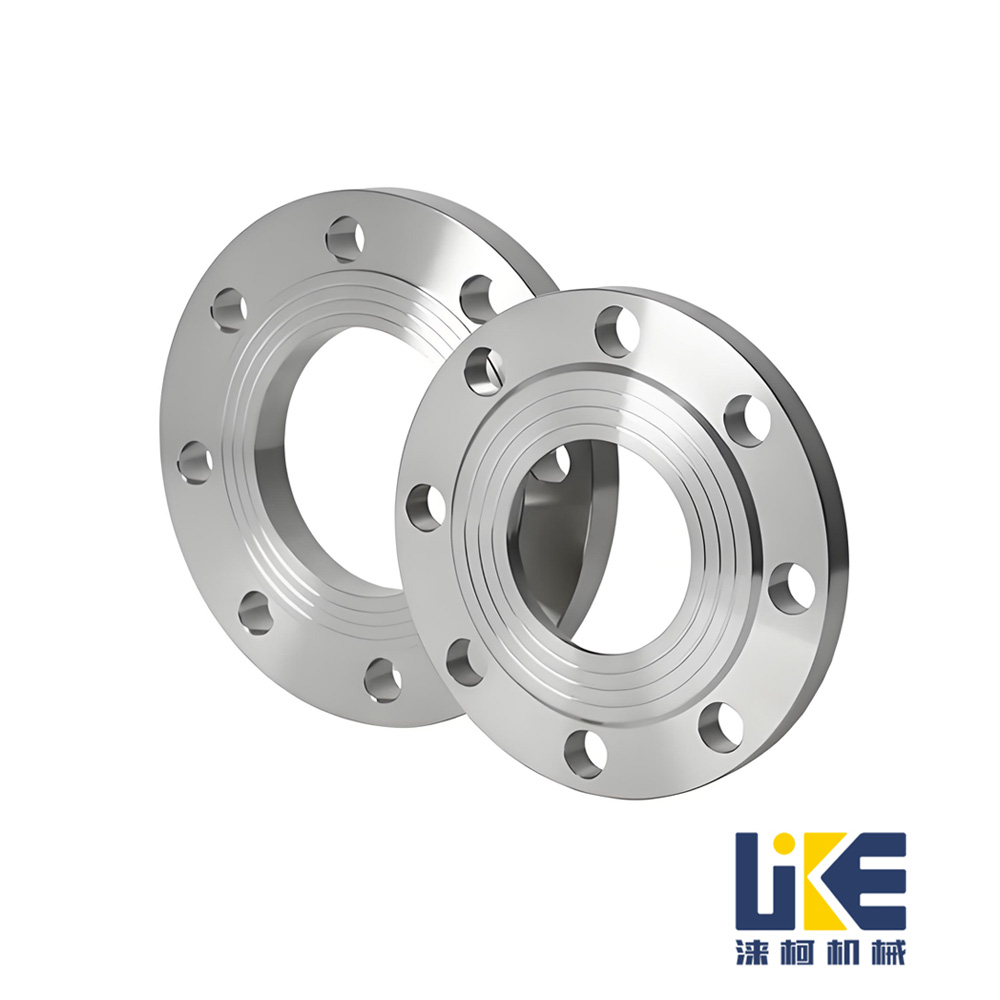

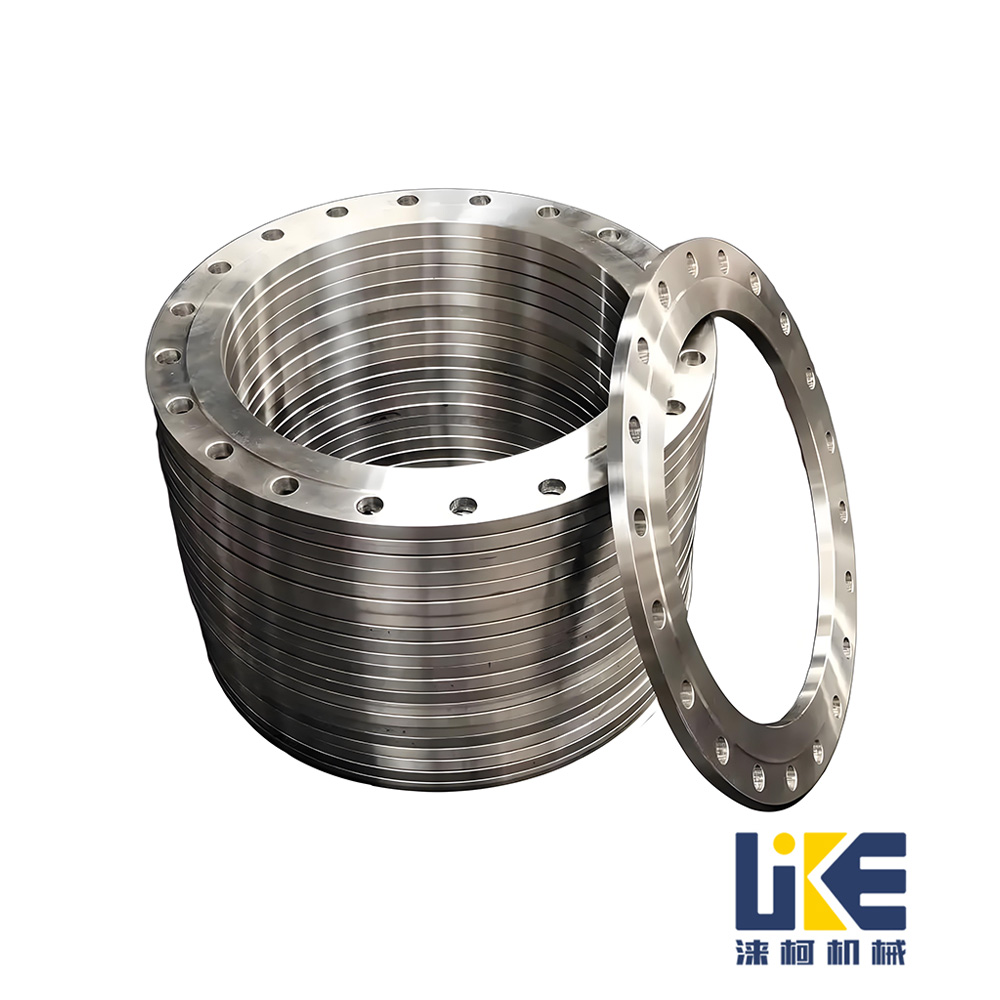
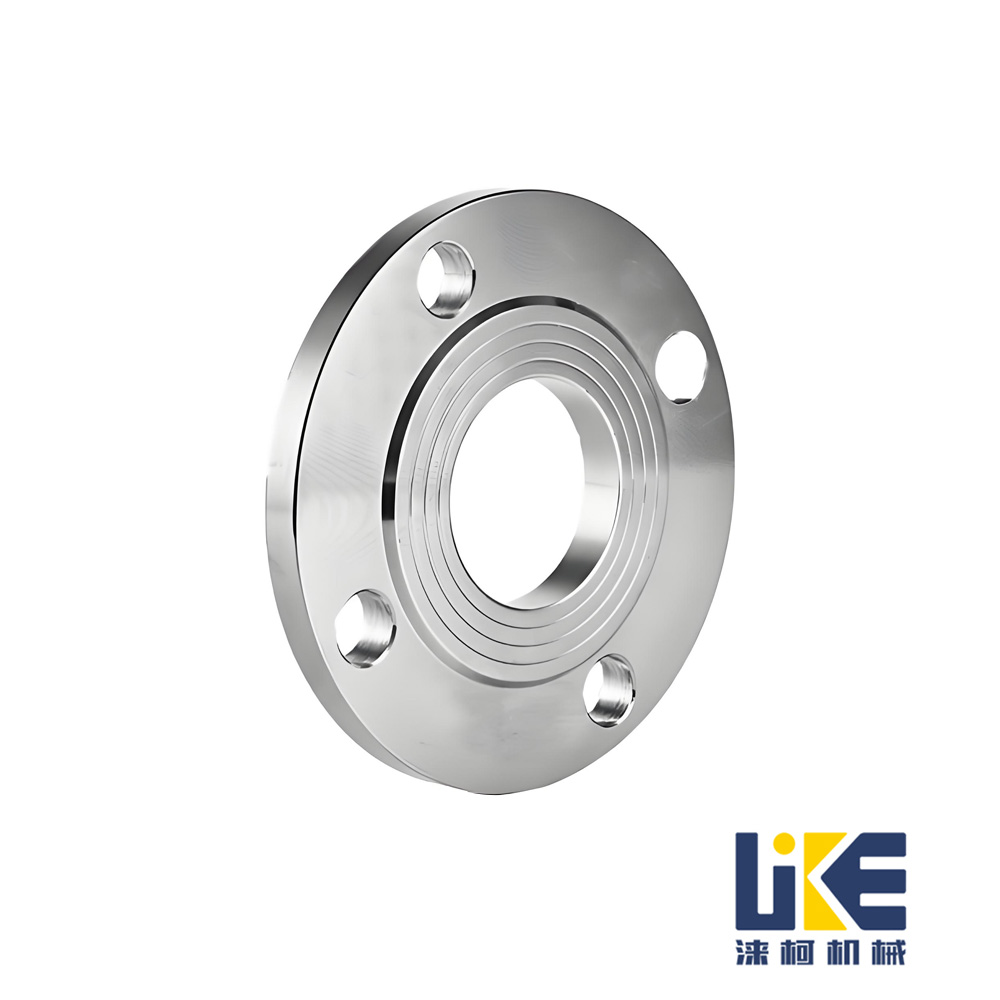

ring flange
In bridge engineering, a Ring Flange (often called an L-flange or tubular flange) is a specific type of connection used primarily for tubular steel members, such as hollow bridge piers, arch ribs, or the towers of cable-stayed bridges.
It is distinct from the standard "flange plate" of an I-beam. While an I-beam flange is a long, flat rectangular plate, a ring flange is a circular steel donut welded to the end of a pipe.
1. Primary Functions
Connecting Tubular Sections (Field Splices): Large tubular bridges (like arches or towers) cannot be transported in one piece. They are cut into segments. Ring flanges are welded to the ends of these segments so they can be bolted together on-site.
Transferring Axial & Bending Loads: Just like a standard flange, the ring flange transmits the massive tension and compression forces from one tube segment to the next, ensuring the column acts as one continuous piece.
Foundation Connection: At the base of a bridge pier, a ring flange allows the steel tube to be bolted down to the concrete foundation (often using long anchor bolts embedded in the concrete).
2. Visual Description & Types
If you are looking at a bridge, you can identify a ring flange by the following characteristics:
The "L-Flange" (Internal): This is the most common type for modern bridges and wind turbine towers.
Appearance: From the outside, you might see a thin seam or a slight ridge where two tubes meet, but no bolts are visible.
Detail: The ring flange is welded to the inside of the tube (forming an "L" shape in cross-section). The bolts are installed from the inside of the tube.
Advantage: This protects the bolts from weather (corrosion) and gives the bridge a smooth, clean aesthetic.
The External Flange:
Appearance: You see a distinct "lip" or rim sticking out around the joint, similar to a pipe fitting in your house but much larger.
Detail: The bolts are clearly visible on the outside.
Usage: This is easier to tighten but is less aerodynamic and more prone to corrosion, so it is less common on major architectural bridges.
3. Comparison: Ring Flange vs. Standard Flange
| Feature | Standard Flange Plate | Ring Flange |
| Shape | Flat, rectangular plate | Circular, annular (donut) ring |
| Member Type | Used on I-Beams (Plate Girders) | Used on Tubular/Hollow columns & arches |
| Connection | Splice plates "sandwich" the flange | The flanges face-to-face are bolted directly |
| Bolt Direction | Bolts run vertically (perpendicular to beam) | Bolts run longitudinally (parallel to beam) |
Note on Piping: If you see a "Ring Flange" on a bridge that is carrying a water or gas pipe (a utility), that is a standard piping component (often an RTJ or Raised Face flange) and is separate from the bridge's own structure.