
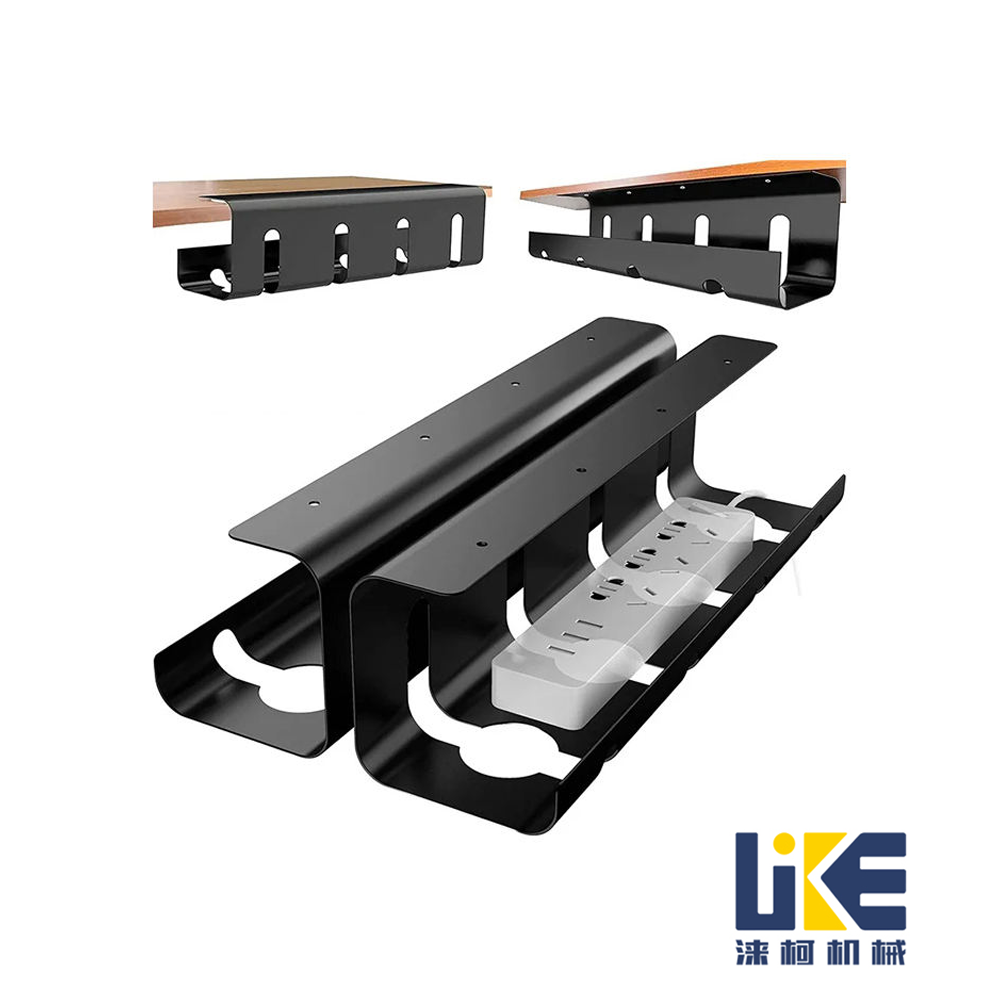

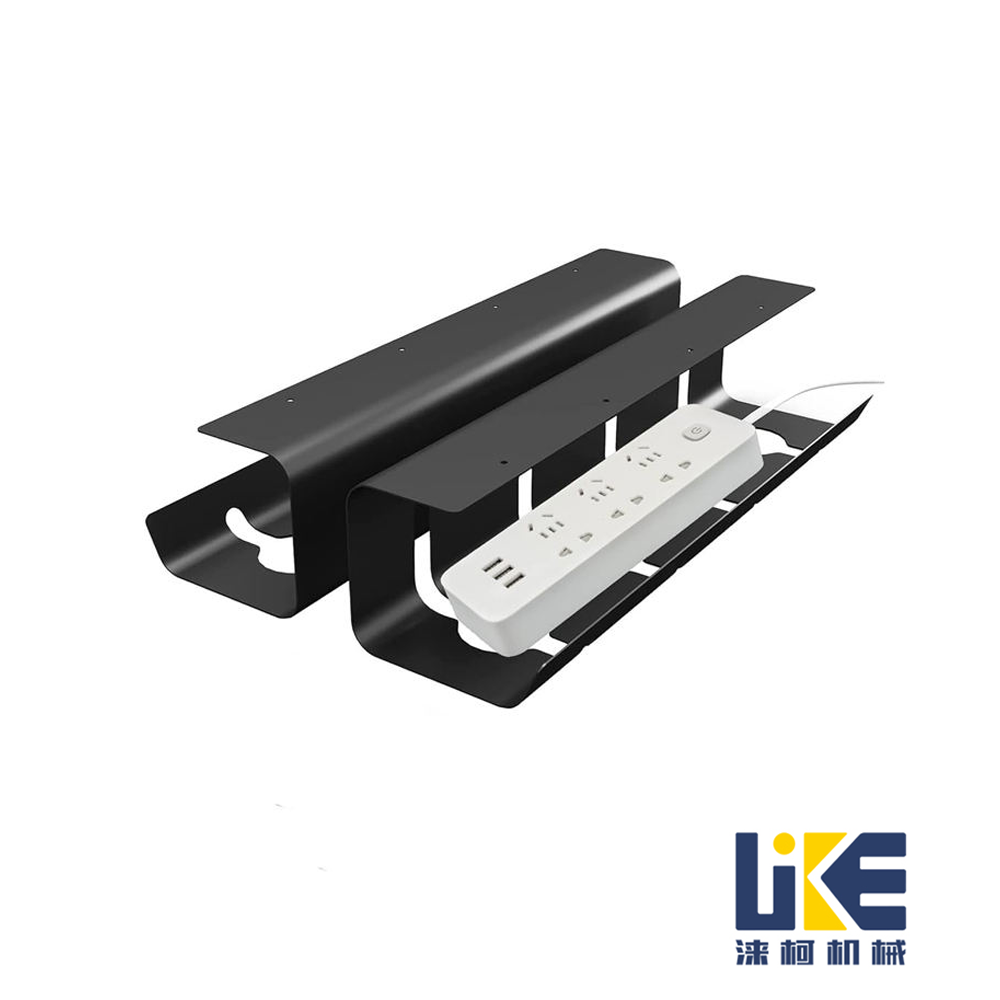
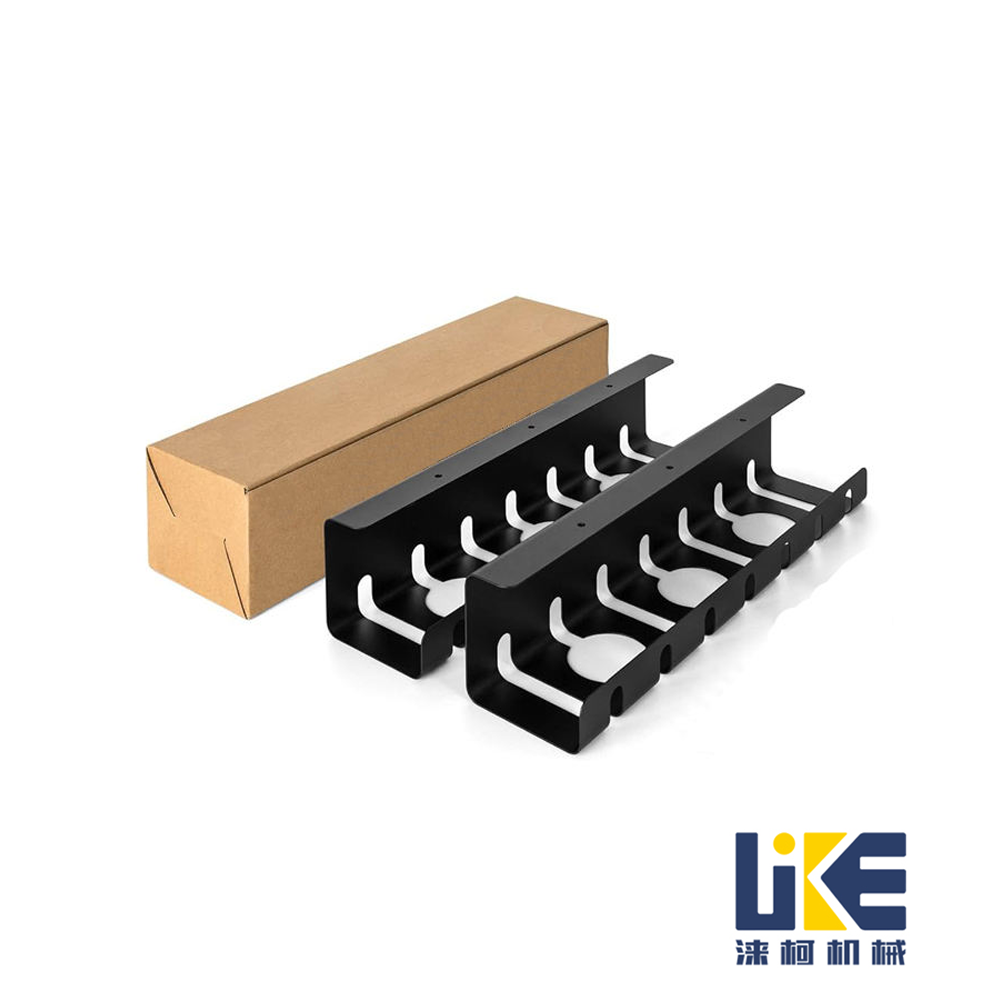
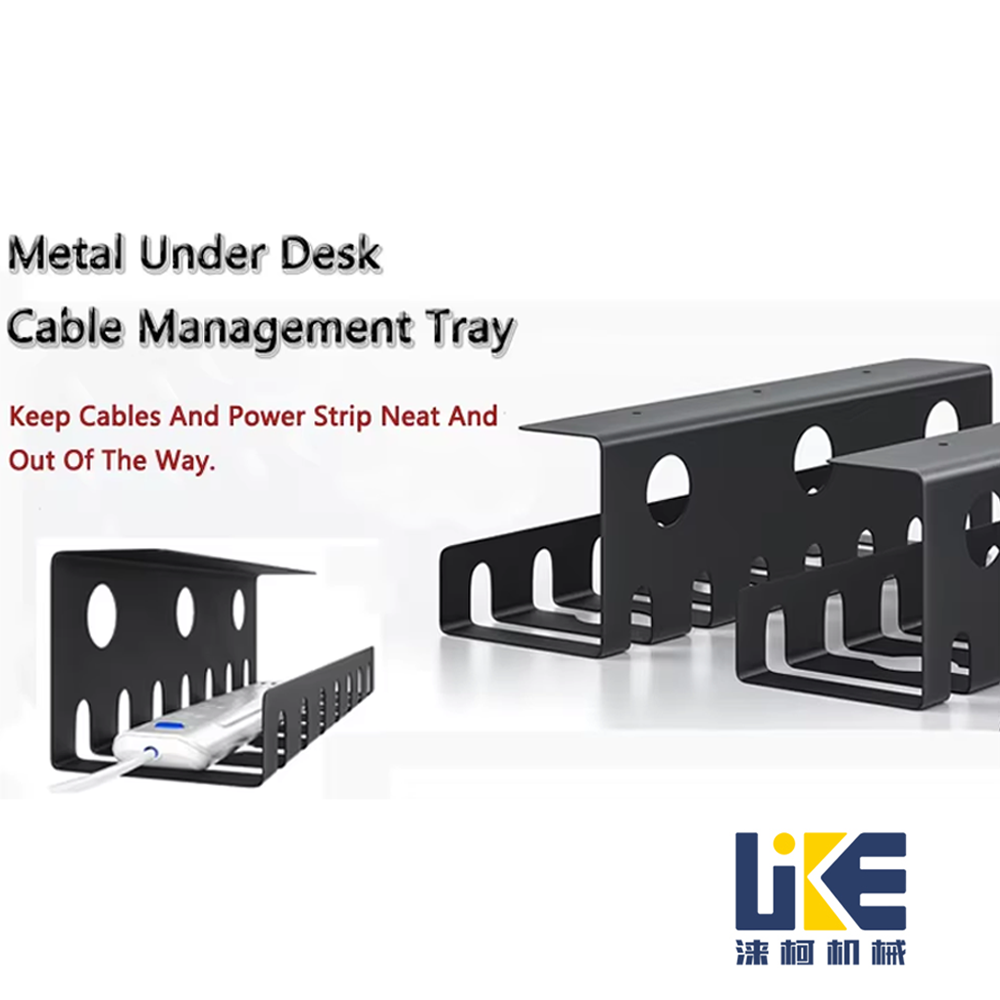

Wire management tray
------metal under desk cable management tray,keep cables and power sterip neat and out of the way------
A wire management tray, also known as a cable management tray or cable tray system, is a structural system designed to support, route, and protect insulated electrical, power, and data cables. It serves as an organized pathway, helping to prevent cable entanglement, improve safety, and facilitate easier maintenance and upgrades compared to traditional enclosed conduit systems.
Key Features and Description
Structural Support: The primary function is to provide rigid support for various types of cables across open spans or along walls/ceilings, preventing sagging or physical damage.
Organization and Routing: It keeps cables organized in a dedicated pathway, which minimizes clutter, reduces tripping hazards, and makes it easier to identify and access specific cables for repairs or changes.
Improved Airflow and Heat Dissipation: Many trays feature an open design (such as wire mesh or ladder types) that allows for superior air circulation around the cables, which helps dissipate heat effectively and prevents the wires from overheating.
Flexibility and Scalability: Cable management trays are highly adaptable. New cables can be easily laid in the tray without the need for complex re-wiring, making them a good choice for environments where wiring systems change frequently.
Safety: By keeping cables contained and protected, trays reduce the risk of electrical faults, short circuits, and potential fires associated with damaged or messy wiring.
Material: Trays are typically made from durable materials like galvanized steel, stainless steel, or aluminum, sometimes with powder coatings or specialized finishes for corrosion resistance in harsh environments.
Common Types
The specific design of a wire management tray depends on the application's needs:
Ladder Trays: Feature two side rails connected by rungs, ideal for heavy-duty power distribution due to their high load capacity and excellent ventilation.
Wire Mesh Trays: Also known as basket trays, these offer high flexibility, very high airflow, and are popular in data centers and offices for managing low-voltage and data cables.
Perforated Trays: Have a ventilated bottom with holes, offering a balance of airflow and cable support, commonly used for instrumentation and control cables.
Solid Bottom Trays: Provide maximum protection from dust, moisture, and external elements, often used for sensitive fiber optic cables where environmental protection is paramount, though they offer less airflow.
In summary, a wire management tray is a vital infrastructure component for creating a safe, organized, and efficient electrical or data network system.
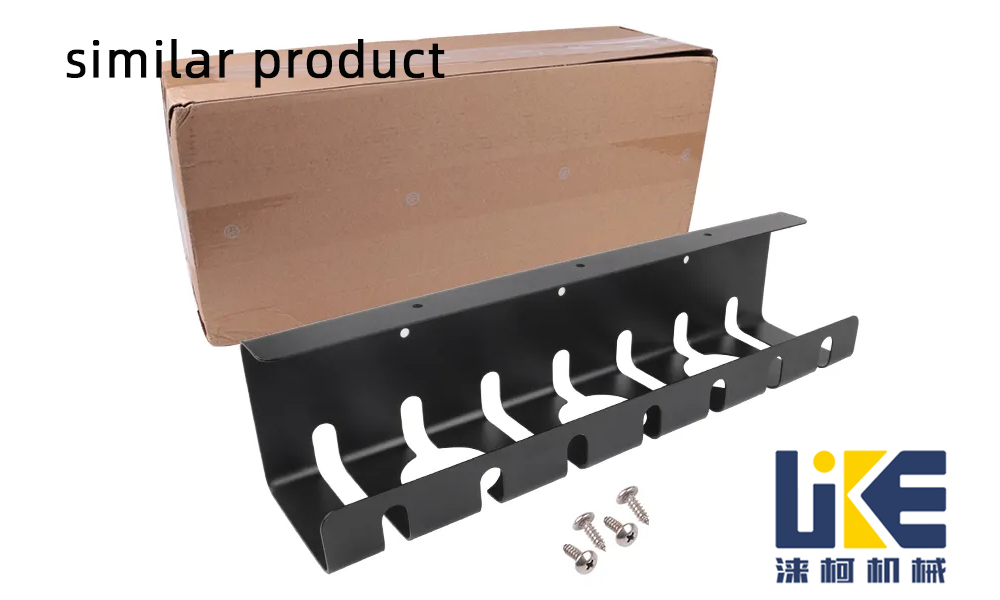
It can also be attached using double-sided tape, without the need for screws.
The mold can be ready in as fast as 2 days,The production cycle is 7 to 31 days for each quantity.
Welcome to contact us by phone or email.