
Jun 26, 2026cable
Cables and metal stamping parts
Cables and metal stamping parts
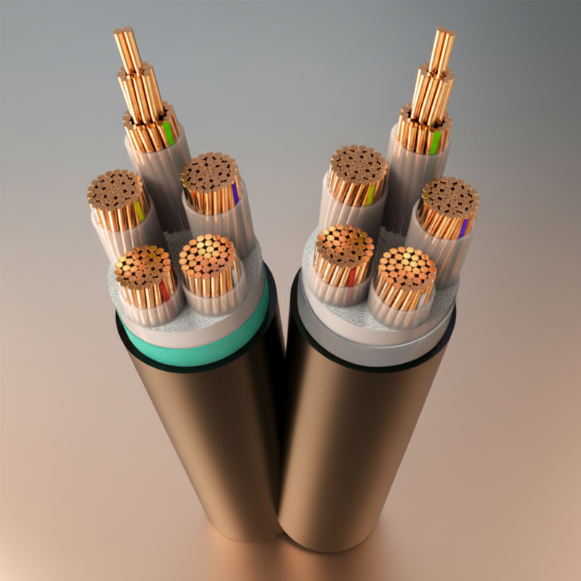
Metal Stamping Parts: Core Applications & Key Value in Cable & Wire Industry
The cable and wire manufacturing industry primarily covers metal wire drawing and insulation extrusion. In cable assembly, connection and laying processes, metal stamping parts act as indispensable core components. Cables focus on power and signal transmission, while precision metal stamped parts undertake critical connection and fixation functions. No cable system can function effectively without stamping components, as bare wires cannot connect with any electronic or electrical equipment independently.Below are the mainstream applications and core functions of metal
stamping parts in the cable and wire industry:
1. Cable Terminals & Contacts – Core Connection Components
Terminals and contacts are the most widely used stamping parts in cable manufacturing, serving as the key connecting medium between cables, PCBs, batteries and end devices.Crimp Terminals: Available in ring, fork, pin and spade shapes. Manufactured via high-speed stamping of copper and brass strips with tin or silver surface plating. They fasten firmly to cable copper wires through crimping deformation and lock onto equipment with screws for stable circuit connection.Connector Pins & Sockets: Precision stamped tiny metal components built into USB, HDMI and automotive wiring connectors. Made of high-elasticity phosphor bronze or beryllium copper via ultra-precision high-speed stamping, they maintain stable electrical contact after thousands of plug-and-play cycles with strict dimensional tolerance.Cable Lugs: Heavy-duty stamped connectors for large-power thick cables. Produced by stamping, flattening and punching thick copper tubes and plates to support high-current power transmission.
2. Cable Management Stamping Parts – Wiring Fixation & Protection
Stamped metal components standardize cable layout in equipment, buildings and industrial environments, preventing scattered wiring and cable damage.Cable Clamps: Fabricated from stamped and bent steel strips, often paired with rubber gaskets. They fix wiring harnesses on chassis and wall surfaces to avoid cable friction and wear.Metal Cable Ties: Stainless steel stamped zip ties with a ball-locking structure. Ideal for marine, outdoor and high-temperature scenarios where plastic ties age and break easily, delivering durable cable bundling.Strain Relief Components: Stamped structural parts installed at cable casing inlets. They clamp cables tightly to protect internal solder joints from external pulling and tensile damage.
3. Shielding & Grounding Stamping Parts – Signal Anti-Interference
Signal transmission cables (coaxial cables, data signal lines) rely on stamped metal parts for EMI shielding and safe grounding to eliminate signal interference.Shielding Cans & Clips: Stamped metal covers that connect cables to PCBs, blocking electromagnetic interference leakage and external signal intrusion.Grounding Clips: Special stamped shrapnel parts that pierce cable outer insulation to contact the shielding layer, discharging static electricity to the ground reliably.Tinplate Shielding Shells: Stamped tinplate liners inside cable connectors, dedicated to enhanced electromagnetic shielding performance.
4. IDC (Insulation Displacement Contact) Terminals – Efficient Wiring Solution
IDC stamped terminals are high-efficiency connection components widely used in ribbon cable systems. Featuring precision stamped knife-edge structures, they pierce cable insulation and make direct contact with copper cores during crimping, eliminating the need for manual insulation stripping. The high-precision stamping mold ensures complete insulation cutting without damaging internal copper wires, greatly improving wiring efficiency.
5. Armored Cable Stamping Accessories – Cable Structural Protection
While armored cable protective layers are mostly wrapped, all matching auxiliary fittings are metal stamped parts, including armor locking plates, grounding rings and metal hose protection joints. These stamped accessories fix armored steel strips and connect cable protection hoses with equipment, ensuring the structural integrity of armored cable systems.
Why Metal Stamping Parts Are Irreplaceable for the Cable Industry
1. Optimized Conductive Material Processing: Cable connectors require high-conductivity copper and copper alloys with excellent ductility. These materials are perfectly suited for high-speed stamping, while traditional cutting causes tool adhesion and material waste.2. Ultra-High Mass Production Capacity: The global annual demand for cable terminals reaches trillions of pieces. Only high-speed stamping molds (hundreds to thousands of strokes per minute) can meet the industry’s massive production needs.3. Stable Elastic Contact Performance: Precision stamping combined with high-performance copper alloys produces elastic contact springs, enabling tight, long-lasting contact for plugs and sockets.
Summary
Cables form the transmission "path" for power and signals, while metal stamping parts act as the core functional nodes including connectors, fixing brackets and terminal interfaces. As essential supporting components, stamped parts enable cables to complete stable power and signal transmission, making them an irreplaceable part of the global cable and wire industry.