
Jun 26, 2026decoration
Decorative items and metal stampings
Decorative items and metal stampings
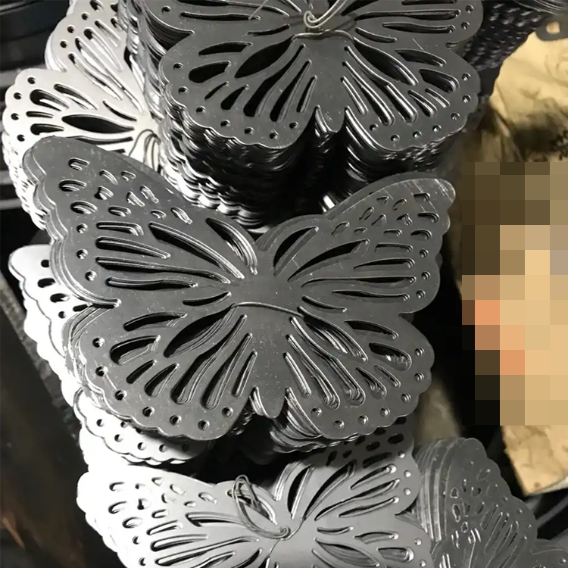
The Core Role of Metal Stamping in Decorative Item Manufacturing
Metal stamping is an essential, foundational manufacturing process for modern decorative items. From intricate lamp patterns and luxury bag metal clasps to various home decor and craft accessories, metal stamping delivers both aesthetic value and structural stability for decorative products. It serves as both the structural skeleton and aesthetic surface of decorative goods, supporting mass production, cost efficiency and lightweight design. This article covers the key benefits of metal stamping in decorative item manufacturing.
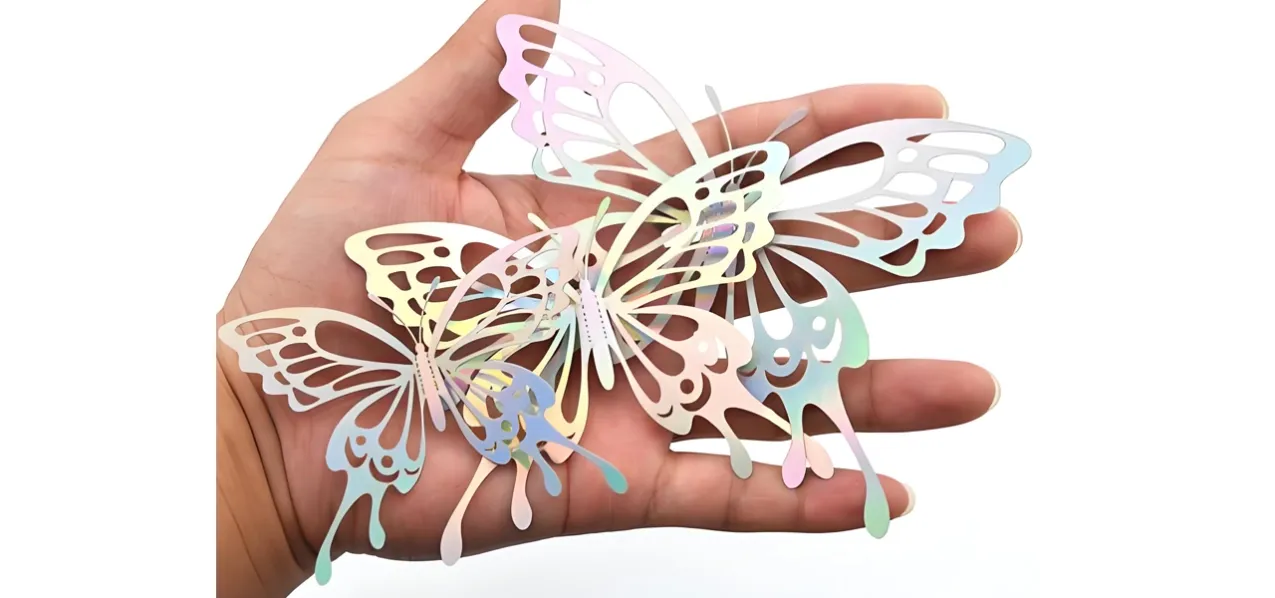
1. Aesthetic & Form Presentation: Premium Visual Appeal
Metal stamping accurately transforms flat metal sheets into complex 3D shapes, delivering refined decorative appearances that outperform many traditional metal processing methods.Fine textured & relief effects: Stamping dies enable precise embossing, coining and recessed textures, creating custom logos, vintage finishes and intricate patterns for metal boxes, commemorative badges and decorative fittings.Integrated artistic molding: The one-piece stamping process produces smooth, seamless artistic shapes including flowers, leaves and wave profiles, ideal for wrought iron decor, lamp ornaments and artistic metal fittings with natural, streamlined lines.High-quality surface foundation: Using brass, stainless steel and aluminum alloy materials, stamped parts feature dense, smooth surfaces. They perfectly support post-processing such as electroplating, polishing, brushing and anodizing, delivering premium metallic luster and texture for decorative items.
2. Structural Support & Stable Connection
Stamped metal components provide hidden, durable structural support for glass, wood, crystal and other non-metal decorative products, improving overall stability and service life.Lightweight internal skeleton: With thin-walled and high-strength features, stamped parts act as internal frames for floor lamps, metal sculptures and large decor, maintaining product shape without extra weight.Precision connecting parts: Custom stamped brackets, clips, hinges and bases fasten product components tightly. Small parts like picture frame springs and chandelier connection clasps ensure long-term structural stability of decorative goods.
3. Cost-Effective Commercial Mass Production
Metal stamping is the most economical solution for mass production of decorative metal parts, helping brands balance quality and cost.Compared with high-cost casting (rough surfaces, secondary processing required) and low-efficiency CNC machining, stamping manufactures uniform precision decorative parts at a lower unit cost, making high-end metal decor affordable for mainstream markets.Optimized progressive die layouts greatly improve material utilization for copper, stainless steel and other premium metals, minimizing waste and reducing raw material costs effectively.
4. Lightweight Design for Safety & Practicality
Made from thin metal sheets, stamped parts are far lighter than cast parts of the same volume, a key advantage for hanging and wearable decorative products.Lightweight stamped components reduce pressure on walls and wearers, greatly improving safety for crystal chandelier bases, metal wall hangings, jewelry and earring decorations.
Common Metal Stamping Decorative Applications
- Lighting fixtures: Lamp housings, bases and internal heat dissipation brackets
- Apparel & bags: Metal buttons, belt buckles, bag nameplates and zipper pulls
- Home furnishings: Curtain rod ends, furniture handles, metal photo frames and wall decor
- Crafts & gifts: Metal bookmarks, openwork pendants and commemorative coins
Summary
Metal stamping enables decorative manufacturers to create complex, high-aesthetic metal decor with lightweight, sturdy structures and low production costs. As a versatile, cost-efficient and high-precision process, metal stamping remains the optimal manufacturing solution for modern decorative item production, perfectly balancing design, quality and commercial value.