
Jun 26, 2026shipbuilding
Shipbuilding and Metal stamping parts
Shipbuilding and Metal stamping parts
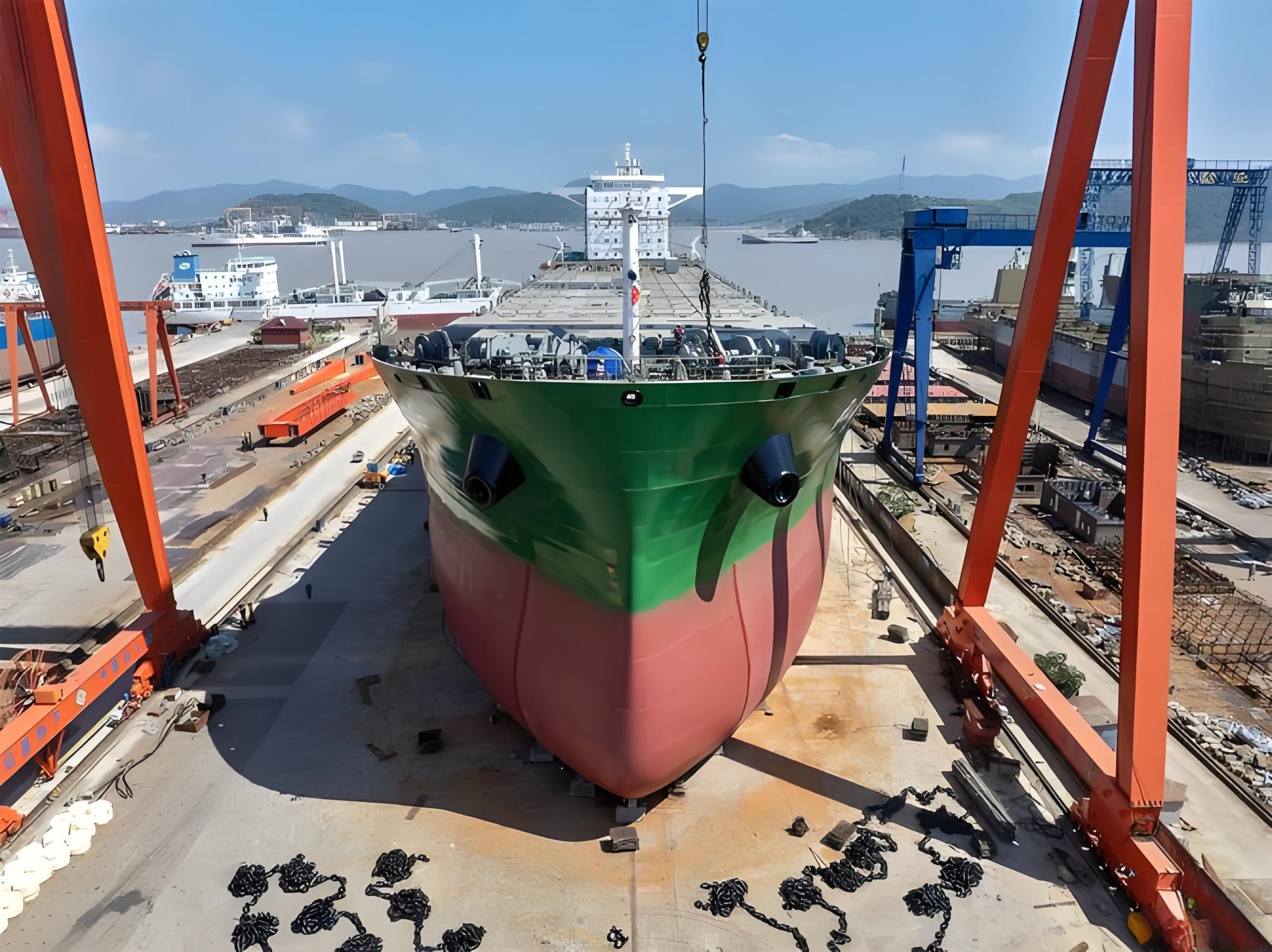
Metal Stamping Parts: Applications & Benefits in Shipbuilding Industry
The core value of metal stamping technology in the shipbuilding industry lies in lightweight design, standardized production, high processing efficiency and cost reduction for marine secondary components. High-precision stamped metal parts adapt to harsh marine corrosion and vibration environments, covering ship outfitting, electrical systems, interior facilities and sealing structures, supporting efficient and low-cost ship construction.
1. Marine Outfitting – Most Widely Used Stamping Scenario
Marine outfitting relies heavily on durable stamped components for daily operation and structural stability. Stamped marine louvers, watertight door hinges, locks and manhole cover sealing parts ensure cabin ventilation, equipment maintenance and watertight protection. Galvanized and stainless steel stamped pipe clamps, flange covers and supports firmly fix kilometers-long water, oil and gas pipelines, preventing loosening and displacement caused by ocean wave vibration.
2. Electrical & Cable Management Systems
As floating power stations, modern ships require massive cable layout protected by reliable stamped metal parts. Perforated stamped cable trays with precision punched heat dissipation holes and reinforcing ribs reduce weight while supporting and protecting various power and signal cables. Integrated stamped terminal boxes, switch cabinet shells and instrument panels provide effective salt fog corrosion resistance, stabilizing ship electrical connection systems.
3. Ship Interior Accommodation
Cruise ships, passenger ships and commercial vessels adopt mature stamping technology for comfortable and safe interior environments. Precision stamped aluminum alloy ceiling and wall panels with micro-perforated sound-absorbing structures deliver fireproof, sound-insulating and decorative functions. Standard stamped furniture hardware including anti-wave hooks, drawer slides and cabinet hinges fixes cabin furniture stably, avoiding displacement during storm fluctuations.
4. Sealing & Vibration Damping Components
Against harsh marine vibration and corrosion, professional stamped sealing parts guarantee equipment reliability. Stamped metal gaskets and copper gaskets realize tight sealing for pipeline flanges and engine cylinder covers. Precision stainless steelstamped adjusting shims support accurate height and level calibration for core equipment such as main engines and generators, ensuring stable mechanical operation.
5. Auxiliary Machinery & HVAC Parts
Ship ventilation and filtration systems depend on standardized stamped components. Stamped flange rings and air outlet valve plates form complete ventilation duct structures. Custom stamped metal mesh frames serve as core supports for seawater and fuel filter assemblies, ensuring smooth fluid filtration for marine equipment.
Core Advantages of Stamping for Shipbuilding
Effective Weight Reduction: Thin-walled high-strength stamped parts replace heavy castings and thick-plate welded structures for non-load-bearing components. It reduces overall ship weight, improving cargo capacity and lowering fuel consumption.High-Efficiency Corrosion-Resistant Material Processing: Shipbuilding widely adopts expensive 316L stainless steel, aluminum alloy and titanium alloy for anti-corrosion needs. Stamping features low material waste and high efficiency, being the most cost-effective processing solution for premium marine materials.Standardization & Interchangeability: Mold-based stamped components feature zero dimensional deviation in mass production. Standard pipe clamps and cable supports greatly improve on-site installation efficiency and simplify shipyard construction and maintenance.
Summary
Despite the heavy steel manufacturing attribute of the shipbuilding industry, tiny but critical metal stamping parts support overall ship operation in every detail. They form protective cable management systems, breathable ventilation structures and comfortable living interiors for vessels. Mature stamping technology optimizes ship weight, construction cost and production efficiency, becoming an indispensable foundational process for modern shipbuilding.