
Jun 26, 2026subway
Subway and Metal stamping parts
Subway and Metal stamping parts
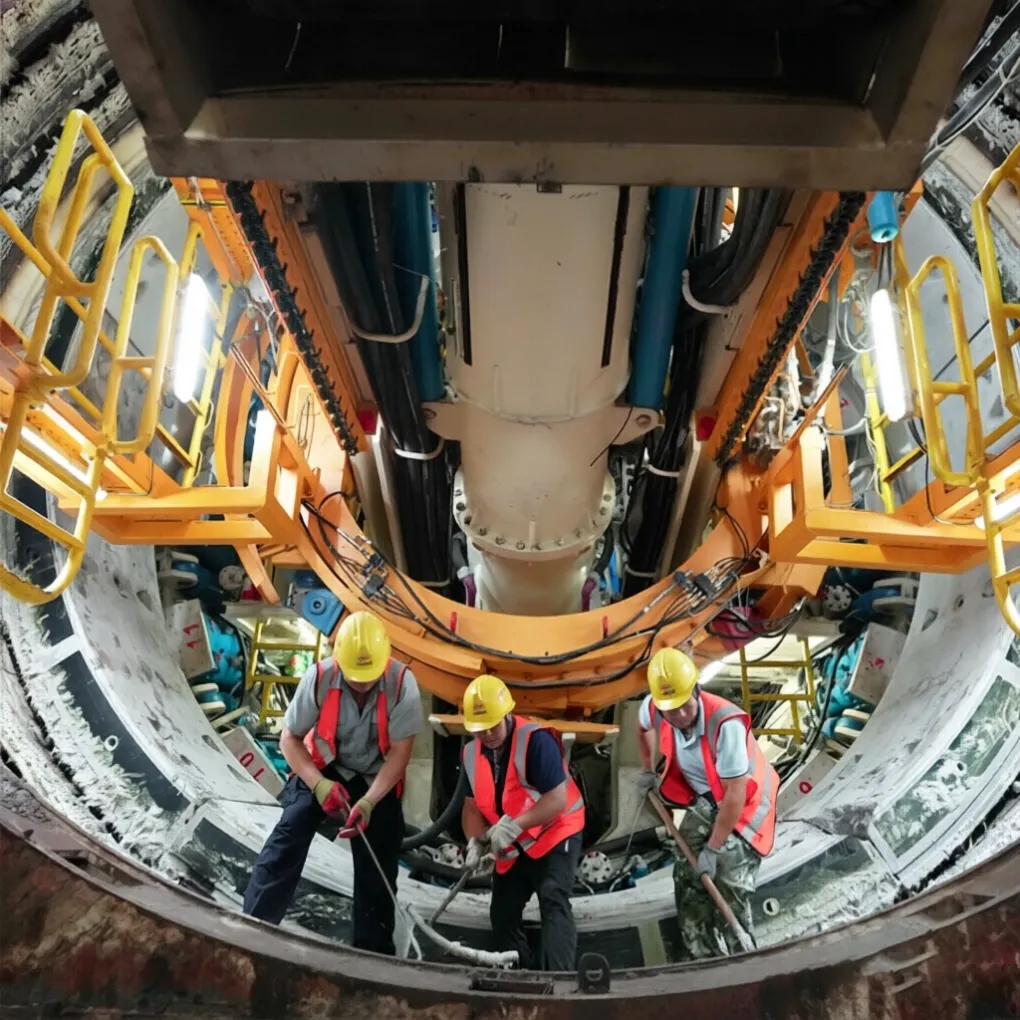
Metal Stamping Parts: Applications & Benefits in Subway Construction
Metal stamping parts with high strength, precision and mass production consistency are widely used throughout modern subway construction. These standardized stamped metal components deliver stable fastening, structural support and power system protection, ensuring long-term safe and stable operation of urban rail transit under frequent vibration and high-density operation.
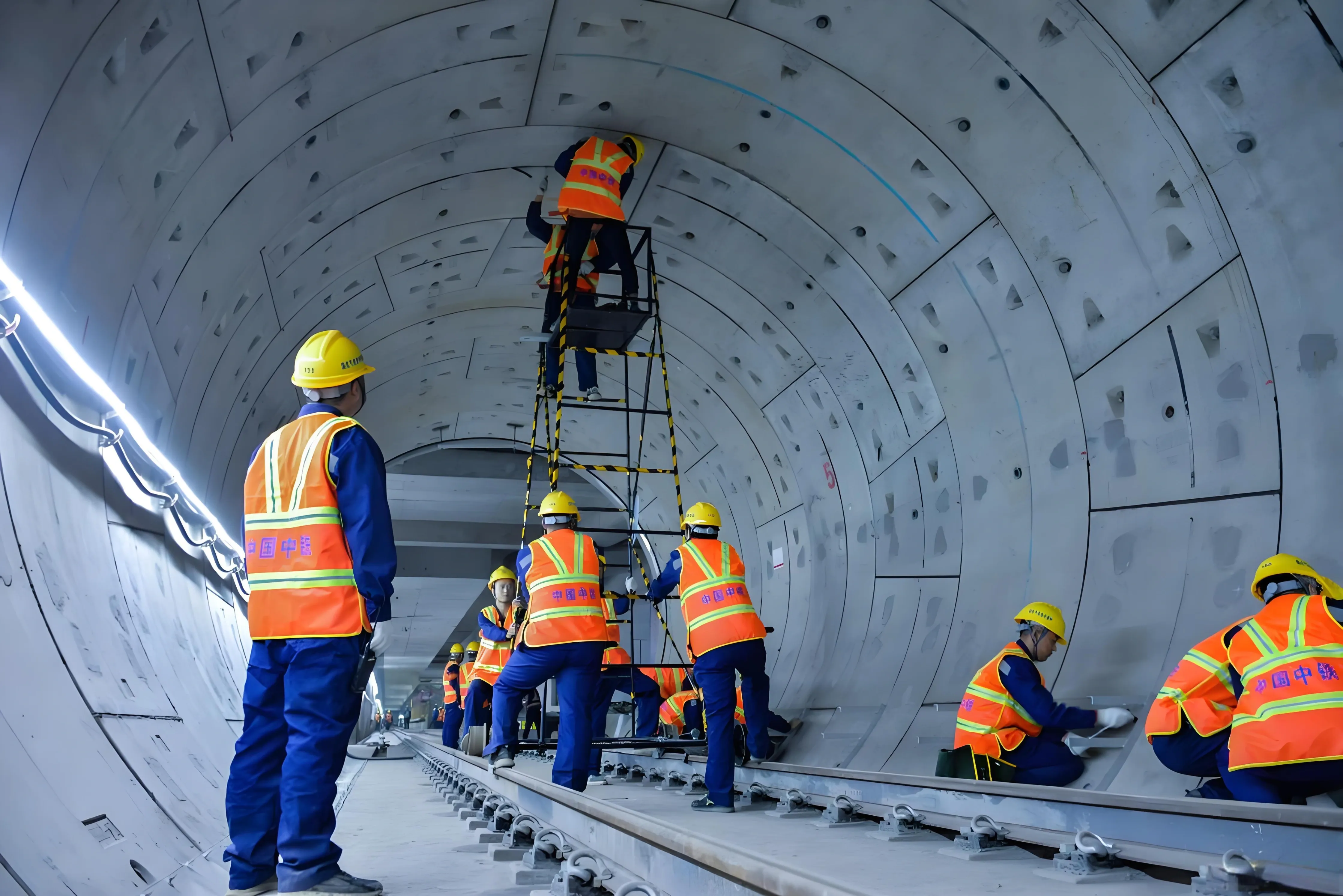
1. Rail Fastening System – Subway Safety Foundation
As core safety components, precision stamping rail fasteners fix steel rails firmly on sleepers to avoid displacement and derailment risks. High-quality spring steel stamped elastic rail clips absorb train vibration and impact via metal elastic deformation, preventing rail flipping and creeping. Thick-plate stamped gauge baffles and base plates maintain standard rail spacing, bear vertical pressure and feature excellent corrosion resistance for long-term underground service.
2. Subway Rolling Stock Components
While subway car bodies adopt aluminum profile welding, internal vehicle structures rely heavily on durable stamped metal parts. Stainless steel and high-strength steel stamped seat frames, handrail brackets and lifting rings provide stable passenger load support. Stamped reinforcing ribs and guide rail pulley brackets ensure stable operation of vehicle door mechanisms. Galvanized sheet stamped electrical cabinets feature high sealing and electromagnetic shielding performance to protect internal traction and power modules. Thick-plate stamped bogie parts such as brake backplates and shock absorber seats guarantee running stability.
3. Catenary & Power Supply Fittings
Subway power supply systems depend on high-reliability stamped conductive fittings. Copper alloystamped OCS fittings, including dropper clamps and positioner clamps, fix overhead contact wires stably, delivering stable conductivity and anti-corrosion performance. For third-rail power supply subway lines, thick steel stamped brackets provide strong load-bearing and insulation support for live rails, ensuring continuous and safe power transmission.
4. Tunnel M&E Stamping Components
Mechanical and electrical pipeline layout in subway tunnels relies on standardized stamped parts. Galvanized sheet stamped cable trays are mass-produced via continuous punching, supporting long-distance laying of power, signal and communication cables. Integrated stamped pipe hangers and clamps quickly fix fire-fighting and drainage pipelines, realizing efficient and neat tunnel pipeline arrangement.
5. Station Facilities & Decoration Parts
Subway station functional and decorative facilities adopt mature stamping technology. Precision stamped aluminum ceiling panels with perforated sound absorption and spray surface treatment are fireproof, moisture-proof and aesthetic, widely used for station ceiling decoration. Stainless steel stamped parts form AFC gate shells and internal transmission structures, supporting millions of stable opening and closing cycles. Precision stamped brackets and fixing plates ensure stable installation of platform screen door drive mechanisms.
Core Advantages of Stamping for Subway Projects
Excellent Vibration Fatigue Resistance: Subways operate over long hours with frequent vibration. Heat-treated spring steel stamped metal parts feature high toughness, resisting long-term high-frequency vibration and avoiding fracture failure.Low-Cost Mass Production: Subway construction requires massive fasteners and pipe fittings. High-speed stamping production efficiently outputs standardized parts, meeting large-scale engineering demand with low unit cost.Standardized Construction Compatibility: High dimensional consistency of stamped components enables fast and unified installation in narrow, dark tunnel environments, effectively shortening construction cycles.
Summary
In subway construction, reliable metal stamping parts act as multi-functional core components: fastening rails to guarantee operational safety, supporting tunnel pipelines and vehicle structures as sturdy skeletons, and beautifying station environments as decorative exterior parts. These standardized, durable stamped components lay a solid foundation for the safe, smooth and efficient operation of modern urban subways.